

Essential Eye Protection for Illinois November Hunting Season and Early Winter Sports
Essential Eye Protection for Illinois November Hunting Season and Early Winter Sports
November brings hunting trips, colder mornings, and the start of winter recreation across Illinois. Before heading outdoors, it is worth giving your eye protection the same attention as the rest of your gear. At Gardner Family Eye Care, we help patients in Hickory Hills and Homer Glen prepare for seasonal activities with clear vision and practical eye safety guidance.
Choose Proper Eye Protection for Hunting
Hunting eye protection should do more than block sunlight. Flying debris, branches, and ejected shell casings can threaten your eyes, making protective shooting eyewear an important part of your equipment.
We recommend shooting glasses that meet ANSI Z87.1 high-impact requirements, with the Z87+ marking. Ordinary prescription glasses and everyday sunglasses are not substitutes for rated safety eyewear. Polycarbonate lenses offer impact resistance, but the complete eyewear must be appropriate for the activity. Protective eyewear also does not replace safe firearm handling.
Check Your Gear Before Heading Out
A few details can make protective eyewear easier to wear consistently:
Choose a secure fit that stays in place when you move.
Check that eyewear works comfortably with hats, hearing protection, or helmets.
Inspect lenses and frames for damage before each outing.
Select lenses suited to the available light.
Follow the manufacturer’s cleaning and anti-fog instructions.
Try your equipment together before leaving home. Pressure points, slipping frames, or obstructed vision are easier to address before you reach the field or rink.
Match Winter Sports Eyewear to the Activity
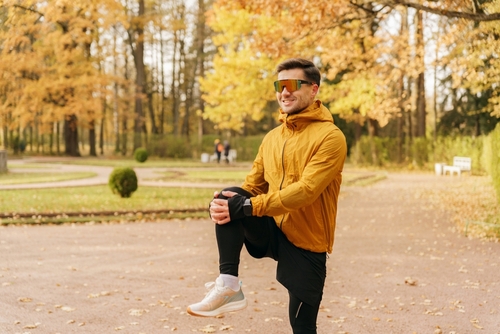
Different winter sports call for different protection. For skiing or snowboarding, choose purpose-built goggles with impact-resistant lenses and UV protection. For ice hockey, use certified face and eye protection designed for the sport. Ski goggles cannot provide the protection needed against hockey sticks or pucks.
For families in Hickory Hills and Homer Glen, checking children’s equipment fit is especially important as they grow. Protective gear should stay secure without limiting their view.
Keep UV Protection on Your Winter Checklist
Cold weather does not eliminate ultraviolet exposure. Snow reflects sunlight, and UV rays can reach your eyes even on cloudy days. Excessive exposure can cause photokeratitis, sometimes called snow blindness.
We recommend outdoor eyewear labeled for 100% UVA and UVB protection or UV400. Dark lenses alone do not prove that protection is present. Polarization can reduce reflected glare, but it is a separate feature from UV protection, so check both specifications.
Take Eye Injuries Seriously
Seek immediate medical care for sudden vision changes, severe eye pain, or an injury involving a sharp object or high-speed debris. Do not rub or press on an injured eye, and never try to remove an embedded object. A suspected puncture requires emergency evaluation, even if the injury initially looks small.
Get your vision ready for the season by scheduling an eye exam with Gardner Family Eye Care in Hickory Hills, IL, at (708) 598-1322 or Homer Glen, IL, at (708) 301-3101.
Visit us Our Locations
Vision Source® Hickory Hills
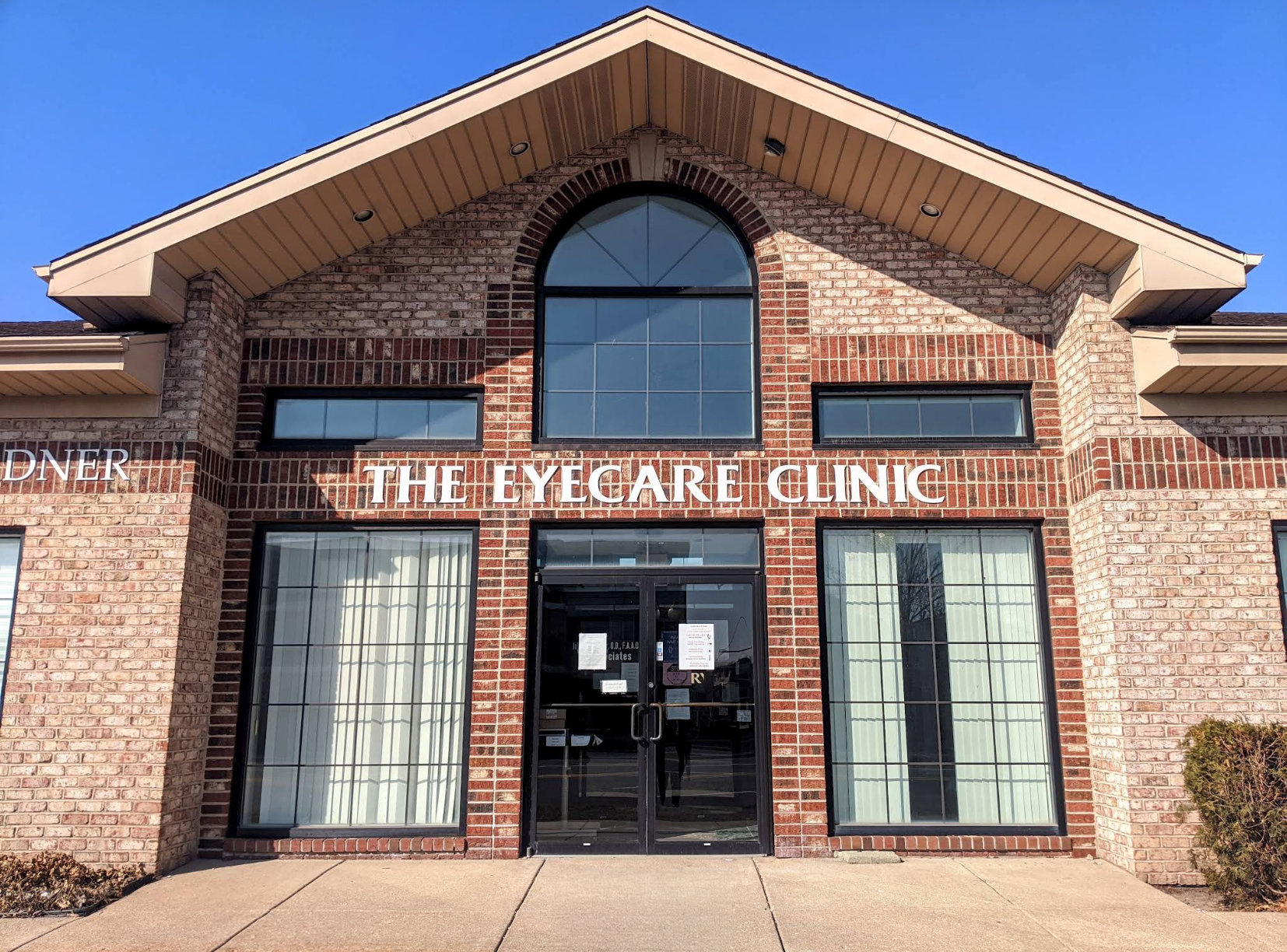
We are located on the southwest corner of 94th and Roberts Road in the Eye Care Clinic Building. We have parking on both the North and South sides of the building.
Vision Source® Homer Glen
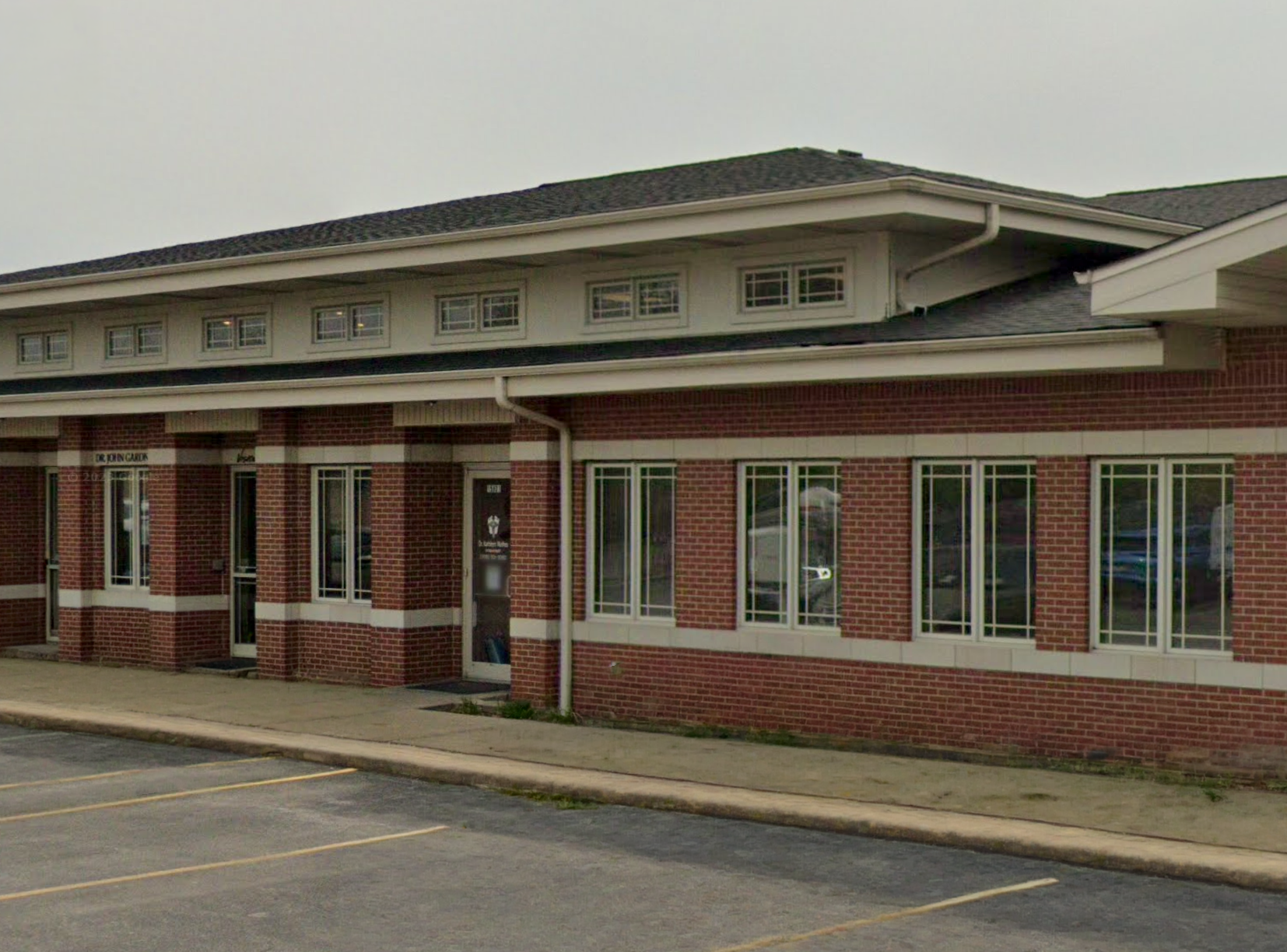
We are located in the Homer Glen office center behind the Phoenix Kitchen & Cocktails restaurant.
© 2026 Eye Clinic. All Rights Reserved. Accessibility Statement. Privacy Policy.
Managed and Designed By
